Strategic Typography: Leveraging Zipper for High-Impact Visual Communication
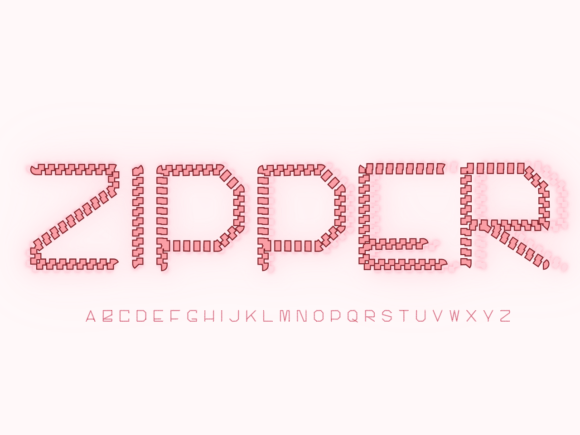
In the crowded landscape of modern digital marketing and brand development, typography is rarely just an aesthetic choice; it is a strategic asset. Zipper, an incredibly unique display font, exemplifies how a single typeface can serve as a catalyst for elevating creative projects from functional to exceptional. Masterfully designed to become a true favorite among discerning designers and business owners, this font possesses the structural integrity and visual flair necessary to bring each of your creative ideas to the highest level. However, the true value of Zipper lies not merely in its distinctive curves and bold presence, but in how intentionally it is deployed to support broader organizational goals, planning initiatives, and communication strategies.
For entrepreneurs, marketers, and content creators aged 20 to 50, the decision to adopt a specific display font should be grounded in a clear understanding of audience perception and brand positioning. Zipper offers a versatility that bridges the gap between playful creativity and professional authority, making it a viable option for diverse industries ranging from tech startups to educational platforms. When utilized with foresight, it does more than decorate a headline; it reinforces the message, guides the viewer's eye, and establishes an immediate emotional connection.
Defining the Strategic Value of Unique Display Fonts
At its core, Zipper is a display typeface characterized by its fluid lines and dynamic personality. Unlike standard sans-serif or serif fonts designed for long-form readability, display fonts like Zipper are engineered for impact at larger sizes. This makes them indispensable for headlines, logos, packaging, and key visual assets where immediate attention is required. The strategic utility of Zipper stems from its ability to break through the visual noise of saturated markets. In an era where consumers scan content rapidly, a distinctive typographic voice can halt the scroll and invite deeper engagement.
From a planning perspective, integrating Zipper into your brand identity system requires a shift from reactive design to proactive strategy. It is not enough to simply choose a font because it looks "cool." You must ask how this font supports your long-term results. Does the curvature of Zipper align with a brand ethos centered on innovation and fluidity? Does its boldness convey the confidence required for a new product launch? By treating typography as a component of your operational framework, you ensure that every piece of communication contributes to a cohesive narrative.
Enhancing Brand Positioning and Customer Experience
Effective branding is about consistency and clarity. When customers interact with your business, whether through a website, a social media campaign, or physical merchandise, the typography they encounter shapes their perception of your reliability and quality. Zipper can play a pivotal role in refining this customer experience. Its unique character allows brands to differentiate themselves without resorting to gimmicks. For small business owners and freelancers, this differentiation is often the key to commanding higher rates and attracting ideal clients.
Consider the psychological impact of font choice. A rigid, industrial font might suggest stability but lack approachability. Conversely, a overly script-based font might feel elegant but unreadable. Zipper strikes a balance, offering a modern, humanistic touch that feels both accessible and sophisticated. This duality makes it particularly effective for educators and publishers who need to present complex information in an engaging manner, or for bloggers seeking to establish a personal yet professional voice.
- Visual Hierarchy: Use Zipper to establish clear focal points in your layouts, guiding the reader through the most critical information first.
- Emotional Resonance: Leverage the font's organic shapes to evoke feelings of creativity, movement, and forward-thinking.
- Memorability: Capitalize on the font's uniqueness to create lasting impressions in advertising campaigns and logo designs.
Practical Applications and Decision-Making Frameworks
Deciding when and how to use Zipper requires a disciplined approach to design operations. It is tempting to apply a striking font to every element of a project, but restraint is often the hallmark of professional execution. The most successful applications of Zipper occur when it is paired with neutral, highly legible body text. This contrast ensures that the display font retains its power while the supporting text maintains readability, facilitating better learning outcomes and information retention for your audience.
For marketers planning a multi-channel campaign, Zipper can serve as the anchor for visual consistency. Whether adapting assets for Instagram stories, LinkedIn banners, or print brochures, the font's adaptability ensures that the brand message remains unified. However, this requires careful testing across different mediums. What works on a high-resolution monitor may need adjustment for mobile screens or large-format printing. Strategic planning involves anticipating these variables and creating guidelines that dictate exactly how Zipper should be scaled, colored, and spaced in various contexts.
Mitigating Risks Through Intentional Design
While Zipper offers significant advantages, relying on it without clear goals or context introduces risks. The primary danger lies in overuse. When a display font is applied too frequently or in inappropriate settings, it loses its impact and can make a brand appear unfocused or amateurish. Furthermore, accessibility must always be a priority. Display fonts are generally not suitable for long paragraphs of text or for audiences with visual impairments unless carefully optimized. Ignoring these factors can alienate segments of your audience and undermine your credibility.
To avoid these pitfalls, adopt a decision-making framework that prioritizes function alongside form. Before finalizing a design, ask yourself: Does this use of Zipper clarify the message or obscure it? Is the contrast sufficient for easy reading? Does the font choice align with the cultural expectations of my target demographic? By answering these questions rigorously, you transform Zipper from a mere decorative element into a tool for achieving better results.
- Audit Your Current Assets: Review existing materials to identify where a stronger typographic voice could improve engagement.
- Define Usage Guidelines: Create a style guide that specifies exactly when Zipper is appropriate and what fonts should accompany it.
- Test for Accessibility: Ensure that all uses of the font meet contrast ratios and readability standards for diverse users.
- Monitor Performance: Track metrics such as click-through rates and time-on-page to assess the real-world impact of your typographic choices.
Long-Term Value and Creative Productivity
The investment in a high-quality font like Zipper pays dividends over time by streamlining the creative process. When a team has a trusted, versatile typeface in their arsenal, decision fatigue decreases. Designers spend less time searching for the right font and more time refining layouts and messaging. This boost in productivity allows professionals to focus on higher-level strategic objectives, such as market expansion or product innovation.
Moreover, Zipper supports long-term brand equity. As trends come and go, a well-chosen display font that balances uniqueness with timelessness can remain relevant for years. This stability reduces the need for frequent rebranding, saving resources and maintaining customer recognition. For hobbyists and creators looking to turn their passion into a profession, establishing a strong visual identity early on with tools like Zipper can accelerate growth and foster trust among potential collaborators and customers.
Ultimately, the goal is to use Zipper intentionally rather than randomly. It is a powerful instrument in the toolkit of modern communication, capable of transforming ordinary concepts into extraordinary experiences. By approaching its use with strategic thought, practical planning, and a commitment to quality, you ensure that your creative ideas not only reach the highest level but also sustain their impact in a competitive marketplace. The difference between a good design and a great one often comes down to these deliberate choices, where every curve and line serves a purpose in the broader narrative of success.